Starting Seeds Indoors: A Month-by-Month Guide for NH Gardeners
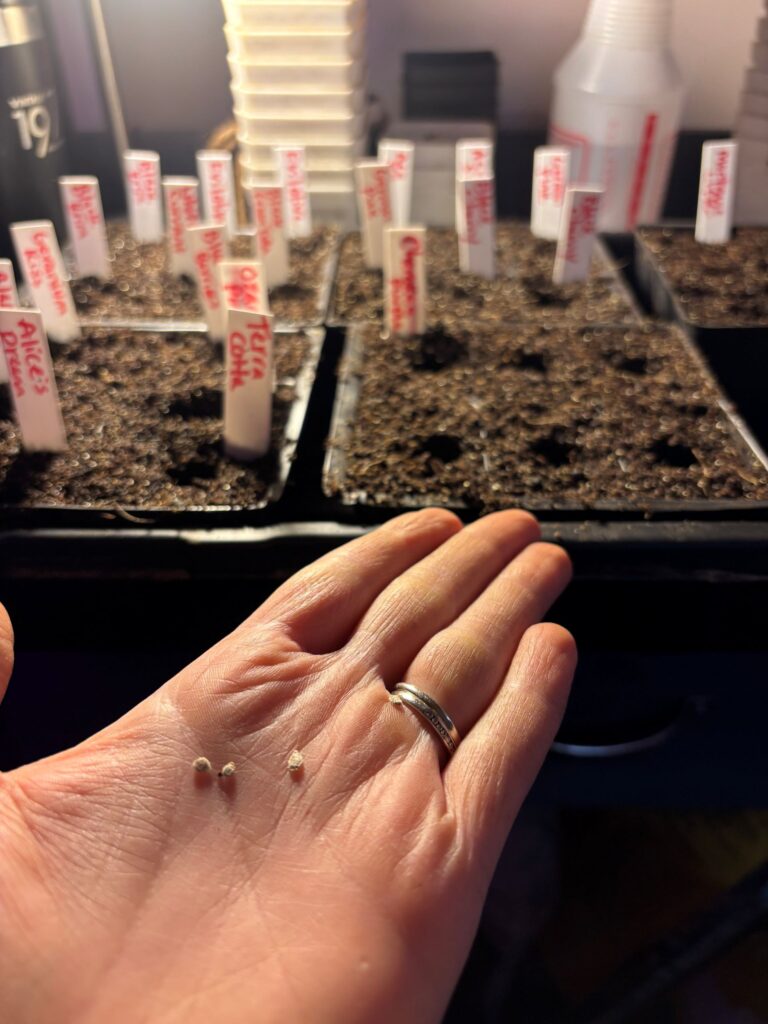
I remember my first attempt at starting seeds indoors-it was exciting but also a bit overwhelming. My first several attempts were flops; I did not have the proper setup and didn‘t know what I was doing. I just thought I could stick some seeds in the dirt, water them, and that would be it. I soon found out I was very wrong. Over the years, I have invested in my setup and fine–tuned my timing. I‘d like to share what I have learned with all of you, including my successes and failures about seed starting here in New Hampshire, so that you can have far more successes than failures.
Starting seeds indoors is one of the best ways to get a head start on your garden, especially in New Hampshire, where the growing season is short and the last frost date is late May. Starting seeds indoors allows you to grow a wider variety of plants, extend your harvest, and have vigorous, healthy seedlings ready to plant once the weather warms up.
But knowing when to start different seeds is just as important as knowing how to start them, which I learned the hard way when I first decided to start my seeds at home. Some plants need extra time to grow before transplanting, while others grow so quickly that starting them too early can cause problems. In this guide, I‘ll explain what to start each month, how to care for your seedlings, and the best way to transition them outdoors when the time is right.
Please keep in mind that this is a guide, and I can‘t possibly mention every single plant or seed (there are a lot of them!). However, I will mention the most common or popular ones. If I leave one out, please feel free to share it with everyone, along with any tips or tricks for getting your seeds started.
**Always remember to check the back of the seed packet for information on when to start your seeds, including days to maturity (critical to know), how long it takes them to germinate, ideal planting depth, spacing, and whether they are frost tolerant.
1. When to Start Seeds Indoors in NH: Your Month-by-Month Guide.
Here in New Hampshire, gardeners typically start seeds from mid-February through late May, depending on the plant. Below is a breakdown of what to start each month to ensure your plants are ready at the right time.
February & Early March: Slow-Growing Crops & Perennials
These plants need extra time before they‘re ready for the garden:
✅ Vegetables:
- Onions (bulbing & bunching)
- Onions (bulbing & bunching)
Leeks
Celery
Peppers (both hot and sweet)
You can also start early-season veggies like kale, spinach, and lettuce. I also begin my Brussels sprouts, bok choy, and Kohlrabi; they will be the first to be planted out in late March or early April, and they can tolerate light frost.
I also begin starting my flowers for the season. Pansies are frost-tolerant, and I start early. Certain varieties of echinacea, poppies, daisies, calendula and asters are either frost tolerant or require more time for germination, so I start them earlier.
✅ Herbs & Perennials:
Lavender, Rosemary, Thyme (slow to germinate but worth the wait!)
Dill and cilantro are great herbs to start early. They are frost-tolerant and can go out first.
Chamomile is another excellent choice. It does very well in the early spring and is very frost-hardy.
Bee Balm is another good choice to start early due to its slower grow time.
Tips for Success:
Use a heat mat for onions, herbs, or any crop that is not frost-tolerant. —they germinate best in warm soil.
Be patient! Some of these seeds take up to 3 weeks to sprout.
Start with deep containers to give root crops like leeks enough space to grow.
Just so you know, any seeds that need to be cold–stratified are great candidates for winter sowing, which can be started in January or February.
Mid-March to Early April: Cold-Hardy Crops & Tomatoes
This is when the primary seed-starting season begins!
✅ Vegetables:
Broccoli, Cabbage, Cauliflower, and Brussels Sprouts (Cold-hardy brassicas that thrive in NH gardens). I start mine earlier, but that’s my preference; try to judge what will work best for you in your garden.
Lettuce & Leafy Greens (Can be started indoors or direct-sown in cold frames)
Tomatoes (A warm-season crop, but needs a head start indoors!)
More flowers! Nasturims, Zinnias, Marigolds, Bachelor buttons, more Asters, Daisy varieties, and Salvia.
I don‘t start many herbs because most of what I grow is perennial and already in my garden. But this would be a good time to begin your sage and parsley.
Tips for Success:
Tomatoes need strong light. Grow them near a south-facing window or under LED grow lights. I have found that grow lights work best for seed starting.
Start brassicas in cell trays for easy transplanting.
Lettuce can be transplanted early—harden them off in a cold frame by mid-April.
You can go ahead and direct sow your peas around this time. They are very frost-hardy.
Mid-April to Early May: Warm-Season Crops & Quick Growers
These crops grow fast and don‘t need as much indoor time:
✅ Vegetables:
Cucumbers, Squash, Zucchini, Pumpkins, Melons (Fast-growing vining crops—don‘t start too early!)
Basil & Quick-Growing Herbs (Great for container gardening!)
Sunflowers! I like to start mine around this time, and I plant them last to give them time to get big enough to avoid being eaten by squirrels and chipmunks.
You can also direct sow your carrots around now or even sooner (beginning of April) if you want; they are frost–hardy.
Tips for Success:
Use larger pots for squash and melons—they don‘t like root disturbance.
Wait until late May to transplant—these plants hate the cold!
2. Seed-Starting Must Haves: Tools and Tips for Thriving Seedlings.
✅ Grow Lights:
Most seedlings need 14-16 hours of light daily—LED grow lights are the best option.
Keep lights 2-3 inches above seedlings and adjust as they grow.
✅ Seed Starting Mix vs. Regular Soil:
Use a light, fluffy seed-starting mix for better root development.
I strongly suggest learning how to make your own seed–starting mix to avoid some of the issues many people encounter when buying a mix. The most significant issues are what‘s in it (chemicals) and fungus gnats. Fungus gnats are a considerable nuisance. They lay their eggs in the soil, and they hatch when you wet the soil to use it. They feed off the seedlings and can kill them.
Regular garden soil is too heavy and can lead to poor germination.
✅ Heat Mats for Faster Germination:
Peppers, tomatoes, onions, and any warm weather crop germinate faster with bottom heat.
Once sprouted, remove from the heat mat to avoid leggy growth.
✅ Choosing the Right Containers:
Cell trays: Great for transplanting crops like brassicas.
Soil blocks: A no-plastic alternative that prevents root binding.
Reused containers: Yogurt cups, egg cartons, or anything with drainage holes! If you decide to use cardboard, be mindful of its tendency to mold easily.
3. Troubleshooting Seedlings: Fixing Leggy Growth, Overwatering & More.
✅ Watering: How Much is Too Much?
Keep soil moist but not soggy—overwatering leads to damping off (a fungal disease).
Use a spray bottle or bottom-watering method to keep moisture even.
✅ Leggy Seedlings? Here‘s How to Fix Them!
More light! If seedlings are stretching, move lights closer.
Lower the temperature slightly—cooler air keeps stems strong.
Use a small fan to create airflow and mimic outdoor conditions.
✅ Hardening Off: Preparing Seedlings for the Outdoors
Start slow: Move seedlings outside for 1-2 hours daily in a shaded area.
Increase exposure gradually over 7-10 days before transplanting.
Avoid transplanting on windy or hot days to reduce shock.
4. When & How to Transplant Seedlings Outside
✅ Cold-Hardy Crops:
Can be planted outside in Mid to late March and April (with row covers for protection).
✅ Warm-Season Crops:
Wait until after NH‘s last frost (late May/early June) before planting.
✅ Best Transplanting Tips:
Transplant on a cloudy day to reduce stress.
If you can plant in the rain or when rain is coming, that is ideal.
Water deeply before & after planting to help roots establish.
Watch for transplant shock—leaves may wilt for a day but will recover.
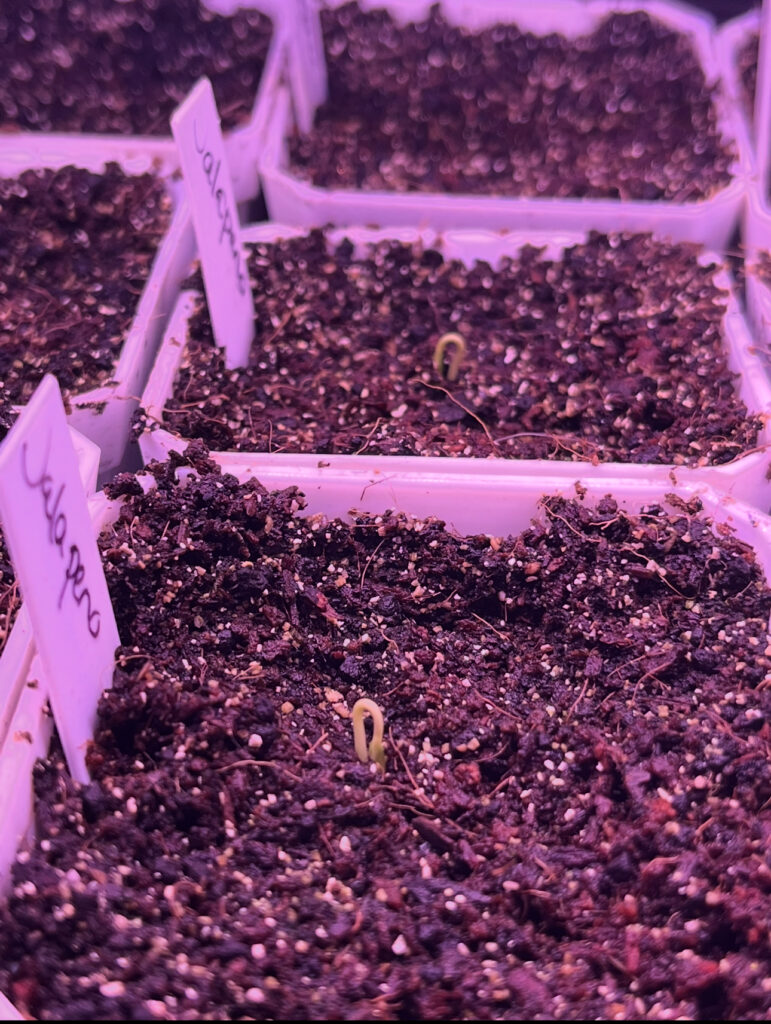
Starting seeds indoors gives you a considerable advantage in NH‘s short growing season. It lets you grow a wider variety of crops and get an early harvest. With the right timing and care, you‘ll have vigorous, healthy seedlings ready for the garden when the time is right.
✅ What‘s your go-to seed to start indoors? Do you have any tricks that work well for you? Share your experiences in the comments- I‘d love to hear them!
🌱 Want a customized seed-starting plan for your garden? I offer personalized garden consultations to help you make the most of your growing season. Book a free discovery call with me to get started at www.Rehlherbs.com
About the Author
Hi, I’m Tiffany a certified garden consultant, herbal enthusiast and the heart behind REHL Herbs. I help gardeners grow thriving, sustainable gardens using organic and eco-friendly methods. With over 15 years of experience in organic gardening and herbalism, I love sharing my knowledge to make gardening more accessible and rewarding for everyone. Whether you are just starting out or refining your green thumb, I am here to help you cultivate success one-seed at a time. Need personalized garden guidance? Book a garden consultation here: www.Rehlherbs.com
Pingback: March Garden To-Do List for Southern New Hampshire (Zone 6a) – REHLHerbs