Winter Sowing in Zone 5b/6a: Trust the Season, Trust the Seed
There’s something quietly magical about planting seeds in winter.
It feels counterintuitive at first — snow on the ground, cold air, frozen soil — yet this is precisely how many plants have grown for thousands of years. Seeds fall. Winter passes. The land decides when it’s time.
Here in Southern New Hampshire, winter sowing is one of my favorite ways to honor that natural rhythm. It’s practical, low-effort, and deeply aligned with how plants want to grow — especially native plants, cold-hardy herbs, and early-season flowers.
What Is Winter Sowing?
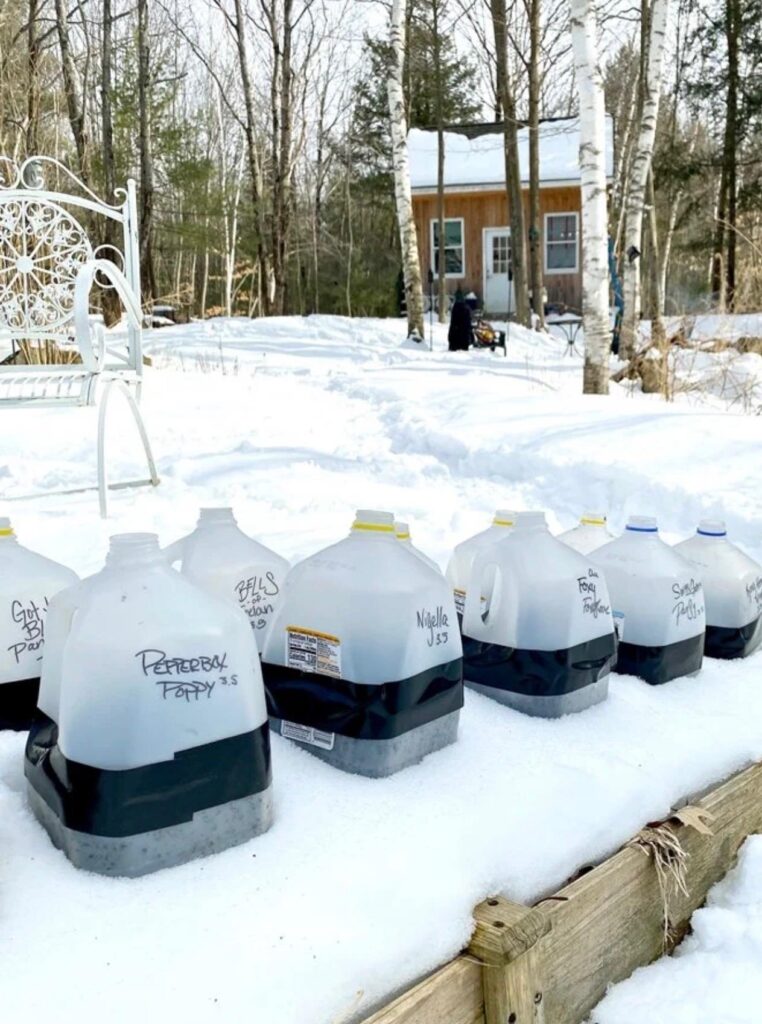
Winter sowing is a method of starting seeds outdoors in simple containers—often milk jugs or clear bins—that serve as miniature greenhouses. The seeds are exposed to natural cold, moisture, and warming cycles that mimic conditions in the wild.
This natural cold exposure is called cold stratification, and many seeds actually require it to germinate successfully. Instead of forcing seeds to grow indoors under lights, winter sowing allows them to wake up when conditions are right.
No forcing.
No rushing.
Just timing and trust.
Why Winter Sowing Works So Well Here
In Zones 5b and 6a, winter sowing fits our climate beautifully.
- Many perennial, native, and woodland-edge plants need cold to germinate.
- Seedlings grown outdoors are sturdier and more resilient.
- There’s no hardening-off process — they’re already adapted.
- Spring temperature swings don’t shock them.
This method produces plants that are well-suited to our unpredictable New England springs. They grow slower at first, but stronger in the long run.
What I Winter Sowed This Year
This season, I winter-sowed a mix of flowers, natives, and herbs that either benefit from cold exposure or naturally reseed themselves outdoors.
Flowers & Native Plants
- California poppies (several varieties)
- Black Swan poppy
- Lilac pompom poppy
- Antique Shades poppy
- Lavender (common)
- Marshmallow
- Milkweed — both swamp milkweed and butterfly milkweed
Herbs
- Parsley (Giant of Italy)
Poppies, in particular, are perfect candidates for winter sowing. They dislike being transplanted and prefer to germinate where they’ll grow. Milkweed and other natives often germinate more reliably after experiencing winter conditions.
After getting everything set out, I realized I’ll also be adding a few more favorites:
- Goldenrod
- Sage
- Lupine
- Yarrow
One of the best things about winter sowing is that it isn’t rigid. January through February is still an excellent window for many seeds here, and nature fills in the rest.
When to Winter Sow in Zone 5b/6a
January is typically the sweet spot for winter sowing in our area, but February works just as well for many seeds — especially perennials, natives, and cold-hardy plants.
Seeds don’t follow calendars.
They follow conditions.
If you haven’t started yet, you’re not behind.
The Basics (Keeping It Simple)
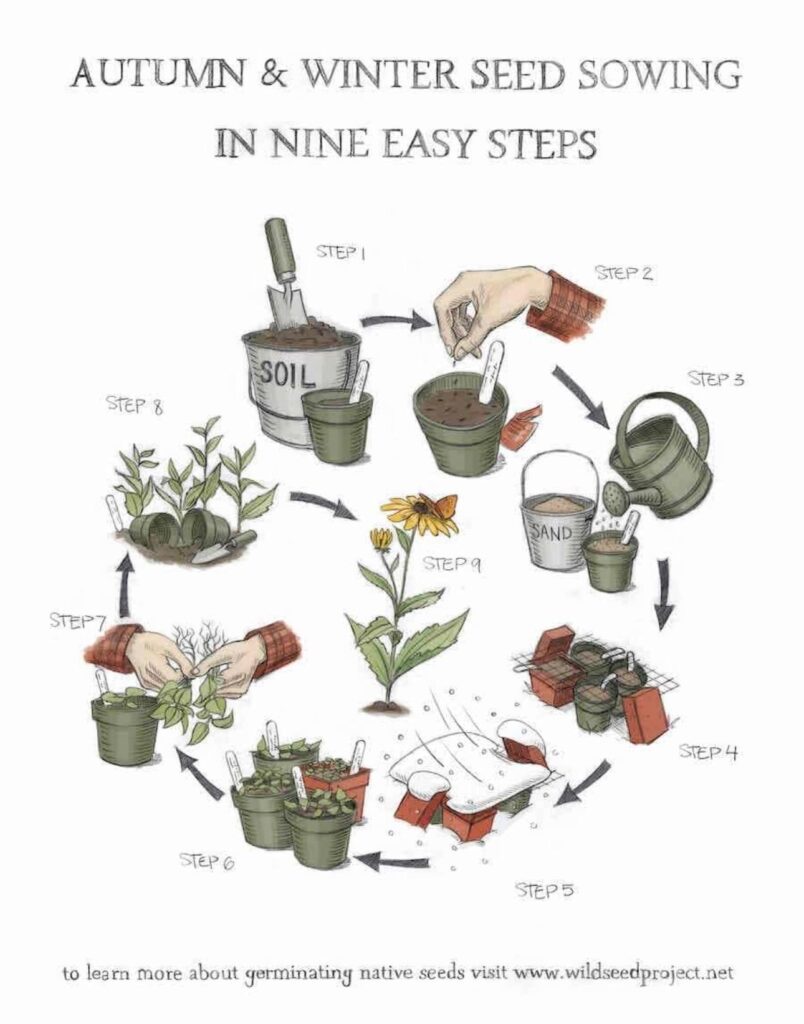
Winter sowing doesn’t need to be complicated to be effective.
- Use a clear or semi-clear container with drainage and airflow.
- Fill with potting soil (not garden soil)
- Sow seeds at the appropriate depth.
- Water once, then let snow and rain do the rest.
- Place containers outside in an open, exposed area.
I shared a short video tutorial on my business page if you’d like to see a basic overview of the process. https://www.facebook.com/share/v/1AYHvRdmkg/
Common Mistakes to Avoid
A few things I see cause trouble:
- Overwatering — winter moisture is usually enough
- Sheltering containers too much — they need real exposure.
- Starting heat-loving seeds too early (tomatoes, peppers, basil)
- Skipping drainage holes
Winter sowing works because it’s simple, but airflow and drainage still matter.
A Final Thought
Winter sowing is a quiet practice. You set the seeds out, step back, and let the season do its work. There’s no daily tending, no hovering — just trust.
It’s one of those gardening methods that teaches patience and builds confidence simultaneously. And when those first seedlings appear in early spring, it feels a little bit like a reward for listening.
If you’d like help choosing plants, designing a garden that works with your land, or planning for pollinators and long-term resilience here in Southern New Hampshire, that’s exactly what I do through REHL Herbs.
Until then, plant the seed — even in winter. 🌱
*While Southern NH was updated to Zone 6a in the most recent USDA map, many of us still garden in ways that feel more like 5 b, and winter sowing works beautifully across both. NH is divided into multiple zones (3b, 4a, 5a, 5b, 6a, 6b) due to dramatic elevation, latitude, and coastal influence differences.
About the Author
Hi, I’m Tiffany, a certified garden consultant, herbal enthusiast, and the heart behind REHL Herbs. I help gardeners grow thriving, sustainable gardens using organic and eco-friendly methods. With over 16 years of experience in organic gardening and herbalism, I love sharing my knowledge to make gardening more accessible and rewarding for everyone. Whether you are just starting out or refining your green thumb, I am here to help you cultivate success one seed at a time. Need personalized garden guidance? Book a garden consultation here: www.rehlherbs.com