


April always feels like a turning point in the garden here in Southern New Hampshire.
After months of frozen ground and snow-covered beds, the soil finally begins to thaw, the days grow longer, and gardeners everywhere feel that familiar pull to get outside and plant again.
But April gardening still requires a little patience. Our weather can swing quickly between warm, sunny days and surprise frosts, so the key this month is to focus on preparing your garden and planting crops that thrive in cooler conditions.
This is the month when we start laying the foundation for the entire growing season.
Here are some of the most important things to focus on in the garden right now.
Prepare Your Garden Beds (Without Tilling)
One of the biggest mistakes I see every spring is gardeners rushing out to till their soil as soon as the ground thaws.
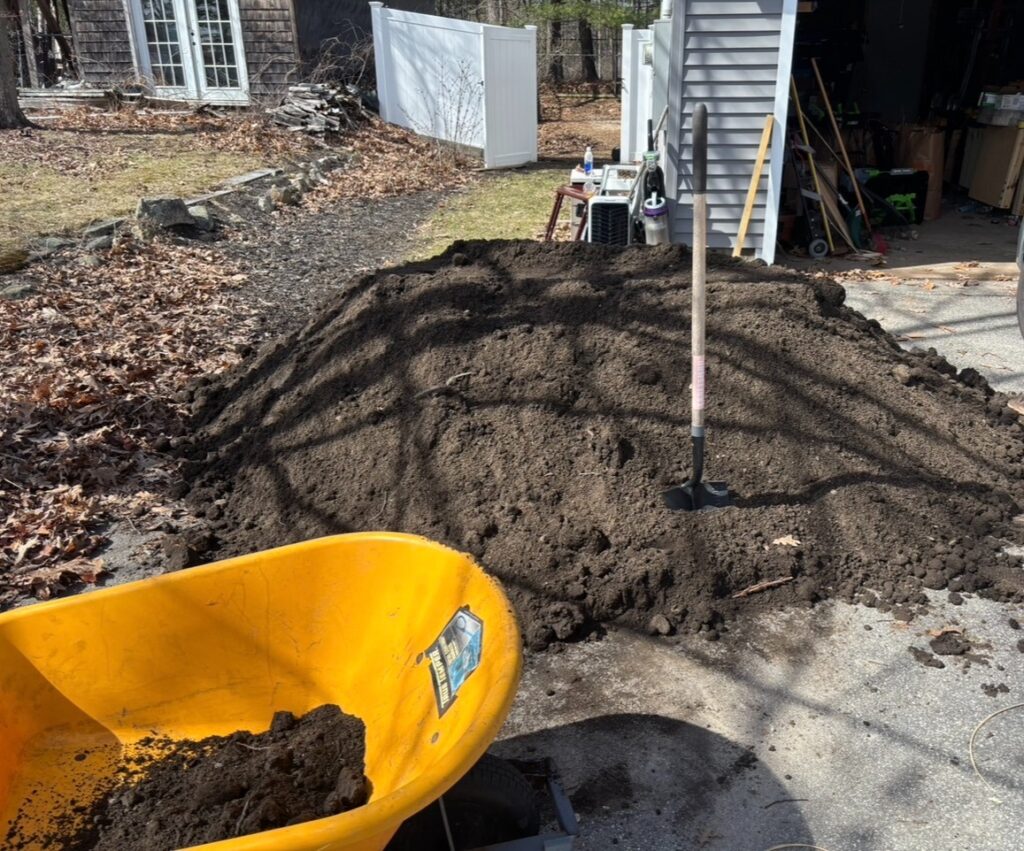
Healthy soil is alive. It’s full of microorganisms, fungi, worms, and beneficial insects that create a thriving ecosystem underground. When we till, we disrupt that entire system.
Instead, I recommend a no-till approach whenever possible.
In April, you can improve your beds by simply:
• Adding a layer of compost
• Top dressing with aged manure or worm castings
• Lightly incorporating organic matter into the top inch or two of soil
• Adding mulch once plants are established
This approach builds soil health over time, leading to stronger plants and better harvests.
Healthy soil truly is the foundation of every successful garden.
Direct Sow Cold-Hardy Crops
Even though frost is still possible in April, there are several vegetables that actually prefer cool weather and can be planted early.
Some cold-hardy crops that do well when planted this time of year include:
• Peas
• Spinach
• Radishes
• Arugula
• Carrots
• Kale
• Cilantro
• Dill
• Lettuce
These crops germinate well in cool soil and often taste sweeter when grown in spring’s mild temperatures.
If you’ve been waiting all winter to plant something, this is your moment.
What I’ve Already Planted
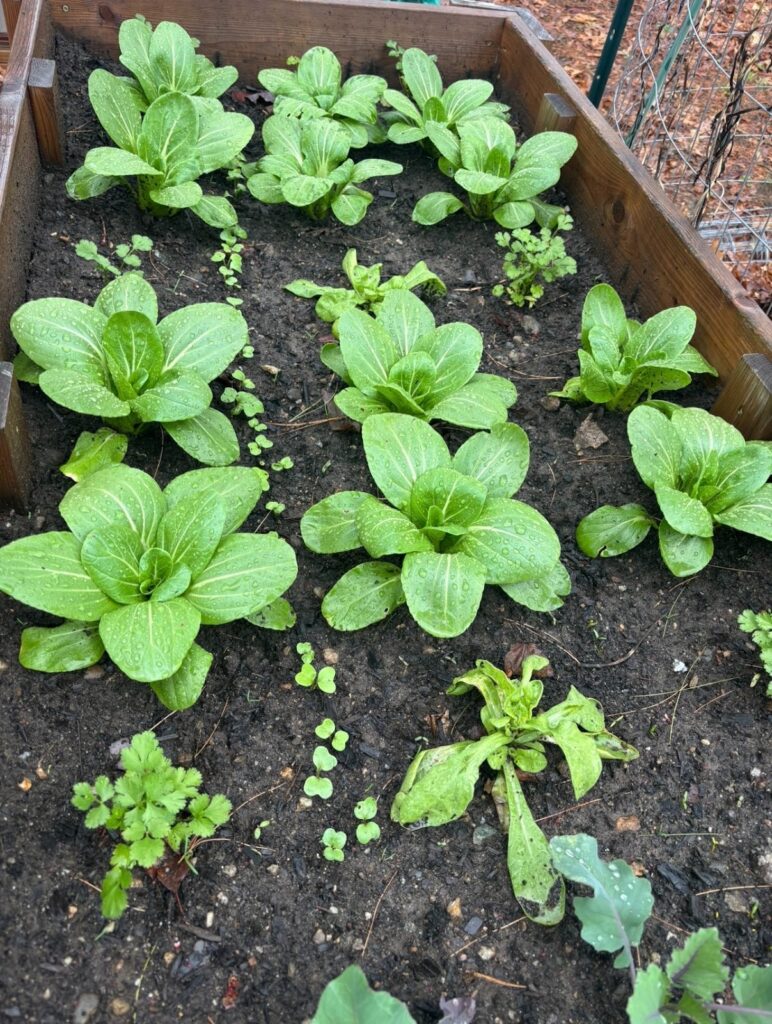
Over the last few warmer days, I finally got back into the garden myself. There’s always that moment in early spring when the soil starts to feel workable again, and the seed packets start calling your name.
Outside in my raised beds, I’ve already direct-sown several cold-hardy crops that do well in our unpredictable New Hampshire spring.
This year I planted:
• Peas
• Three varieties of carrots
• Cilantro (which I plant intentionally because it helps repel squirrels from my greens)
• Golden beets and albino beets
• Icicle radishes
• Watermelon radishes
• Fennel
• Two types of spinach
• Parris Island Cos lettuce
• Tango leaf lettuce — which is known to tolerate even very cold conditions
• A European mesclun salad mix
These crops actually prefer cooler soil and temperatures, which makes early spring the perfect time to get them started.
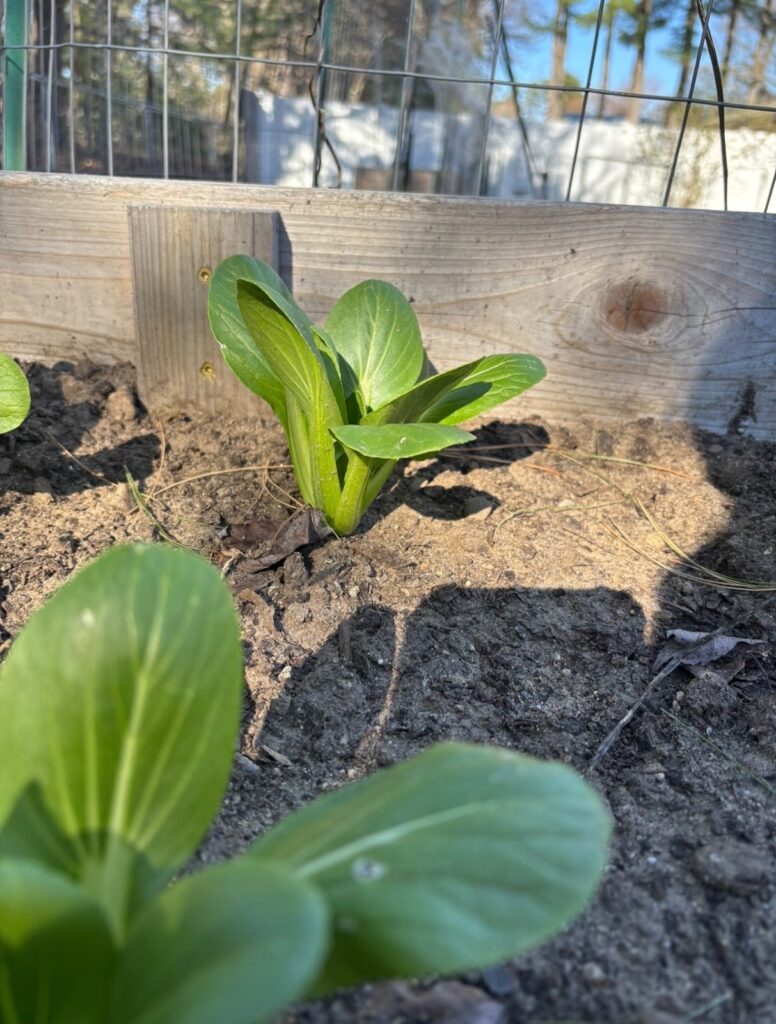
Inside, I’ve also started several seedlings that are coming along beautifully, including dill, calendula, cilantro, broccoli, bok choy, and kohlrabi. The broccoli, in particular, is looking fantastic this year.
If the weather cooperates, I’ll begin hardening those seedlings off next week so they can gradually transition outdoors.
This is always one of my favorite moments of the season — when the garden shifts from planning mode to planting mode.
Harden Off Your Seedlings
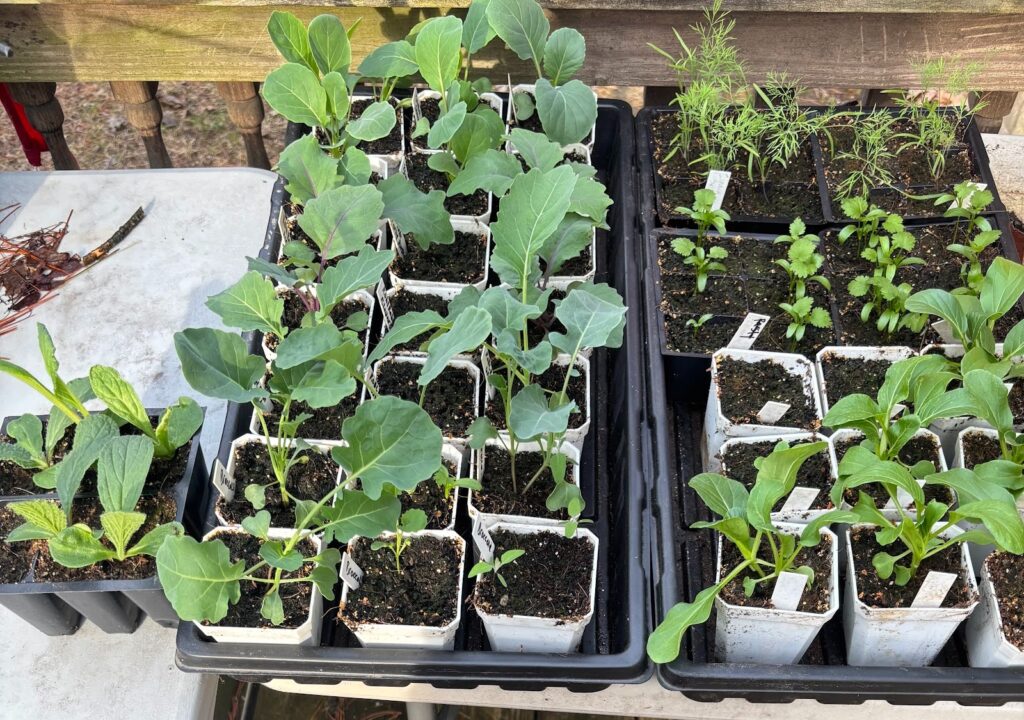
If you started seeds indoors (or bought seedlings early), April is the time to begin hardening them off.
Seedlings grown indoors are used to stable temperatures and gentle lighting. Moving them outside too quickly can shock them.
Instead, gradually introduce them to outdoor conditions over about 7–10 days.
Start with:
• 1–2 hours outside in a protected area
• Slowly increasing sun and exposure each day
• Bringing them inside at night if temperatures drop
This process strengthens your plants and prepares them for life in the garden.
Divide Perennials
April is also a great time to divide many perennial plants before the growing season fully kicks in.
Plants like:
• Hostas
• Daylilies
• Bee balm
• Asters
• Black-eyed Susan
can all be divided now.
Dividing perennials helps rejuvenate plants, encourages healthier growth, and, of course, gives you more plants for free.
Watch for Early Pests
As plants begin emerging, pests start waking up, too.
Early spring pests can include:
• Slugs
• Aphids
• Flea beetles
Keep an eye on young seedlings and new growth. Catching problems early makes them much easier to manage later in the season.
Healthy soil and strong plants will always be your first line of defense.
Be Patient With Warm-Season Crops
One of the biggest temptations this time of year is planting warm-season crops too early.
Tomatoes, peppers, squash, and cucumbers do not like cold soil. Planting them too early can stunt growth or even kill the plants.
Here in Southern New Hampshire, it’s usually best to wait until after the danger of frost has passed in mid-May before planting these crops outdoors.
Your future tomatoes will thank you for your patience.
A Season of Growth
April is the beginning of the garden season, but it’s also the beginning of possibility.
Every seed planted, every bed prepared, every bit of compost added is an investment in the months ahead.
Gardening teaches patience, resilience, and trust in natural cycles. Some years bring abundant harvests, and other years bring lessons — but every season brings growth.
So take your time, enjoy the process, and trust the season.
The garden is waking up.
And soon enough, it will be thriving again. 🌱
Fantastic advice!
Thank you so much! I appreciate your support!