If there’s one thing I’ve learned from gardening in Southern New Hampshire, it’s that May can make even experienced gardeners second-guess themselves 🌱
One day it feels like summer; the next, we’re checking the overnight forecast and debating whether it’s finally safe to plant tomatoes outside. Garden centers are packed, seedlings are taking over kitchen counters, and everyone suddenly feels behind.
But honestly? That’s spring gardening in New Hampshire.
Here are a few things I genuinely wish more new gardeners knew about May in our region — especially since much of the gardening advice online just doesn’t fit our climate, soil, or growing season.
Bigger Seedlings Aren’t Always Better
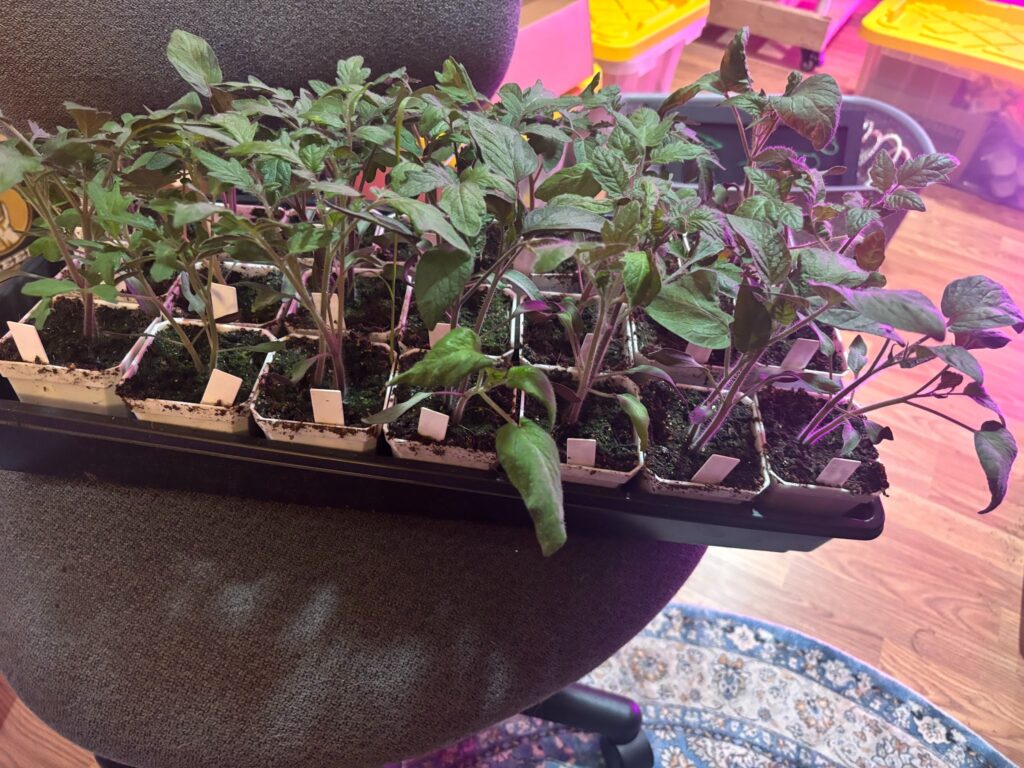
This surprises a lot of people.
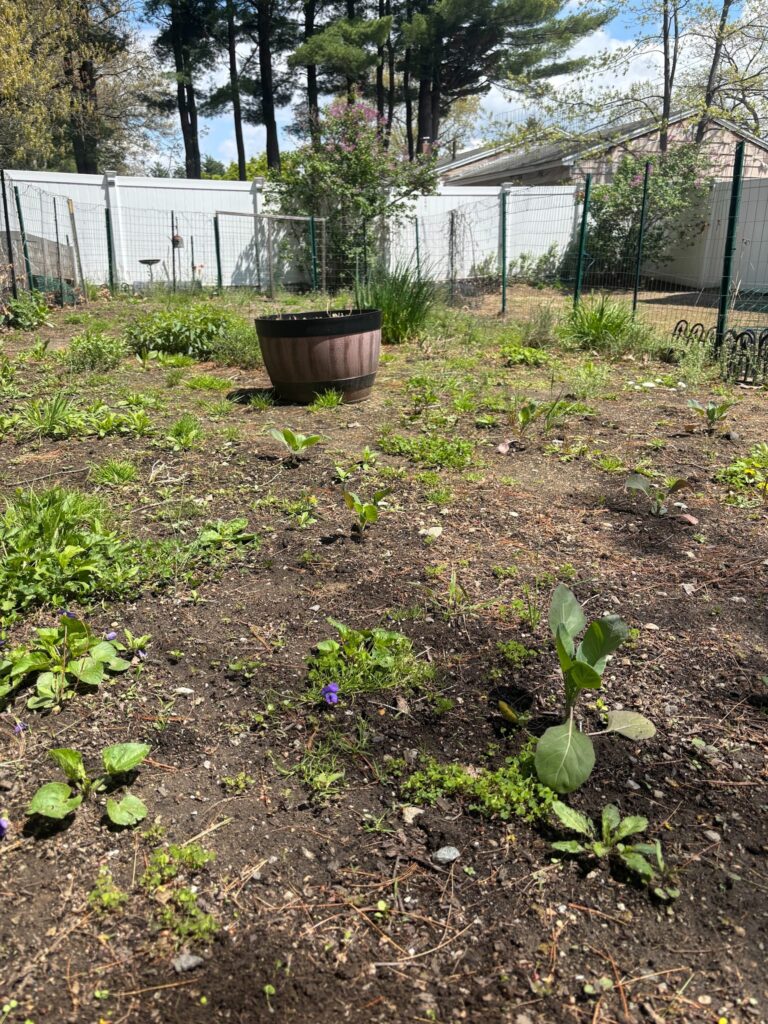
Tall, oversized seedlings often look the most impressive at garden centers, but they aren’t always the healthiest choice. Seedlings that are too large for their containers can become rootbound or stressed, making transplanting more difficult for the plant.
Smaller, healthy seedlings often catch up quickly once planted outdoors and can sometimes outperform oversized plants in the long term.
I’d rather see sturdy stems, healthy color, and strong roots than huge plants in May.
Soil Temperature Matters More Than Air Temperature
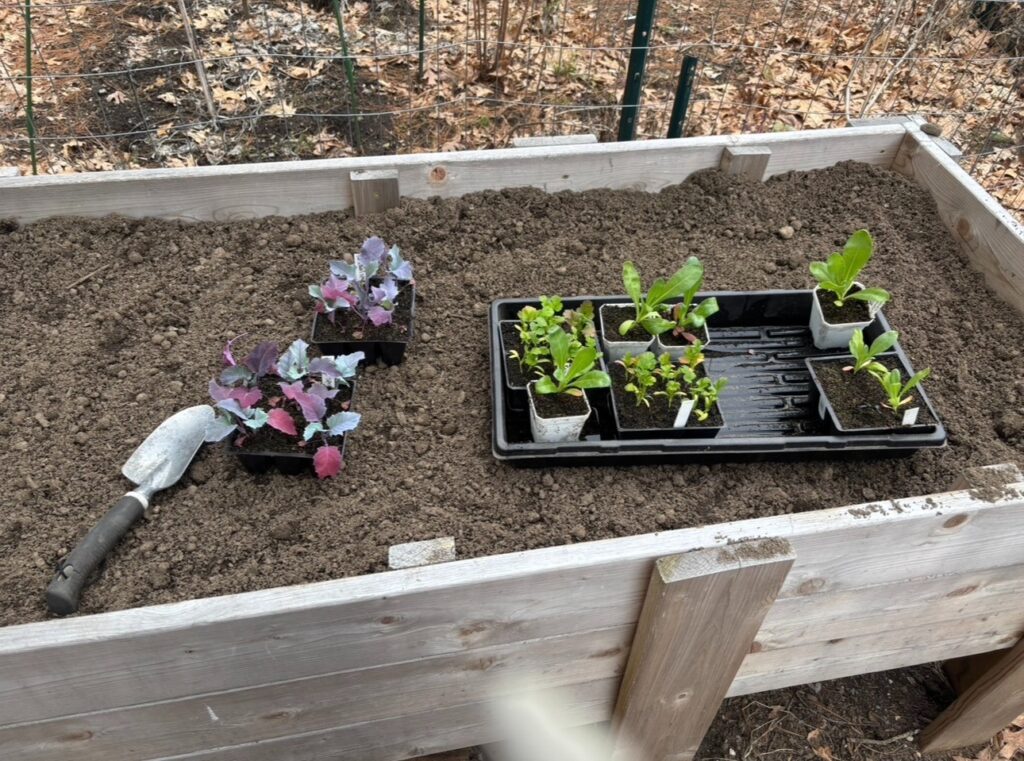
Just because we get a few warm days doesn’t mean the soil is ready yet.
Warm-weather crops like tomatoes, peppers, basil, squash, and cucumbers really struggle in cold soil. Even if they survive, cold soil can stunt growth for weeks.
This is why experienced gardeners in New Hampshire often wait until late May or around Memorial Day for many warm-weather crops.
Patience now usually leads to healthier plants later.
Hardening Off Is Important (Even Though It’s Annoying )
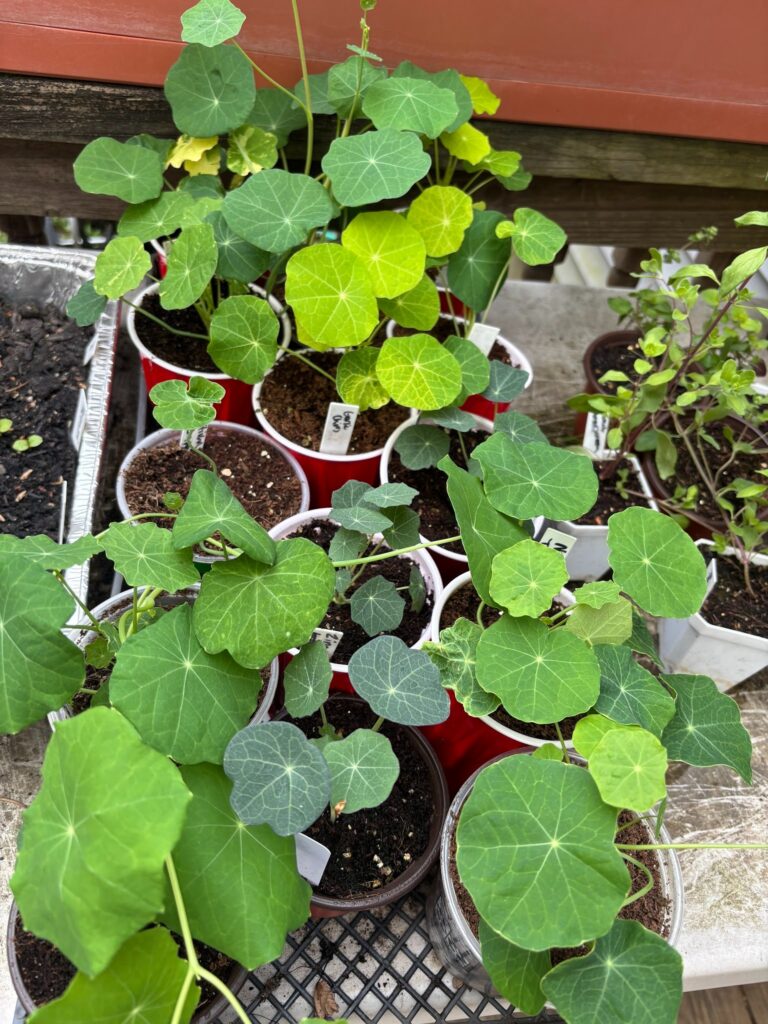
One of the most common mistakes I see is seedlings going directly from indoors to full sun and wind outside.
Plants need time to adjust gradually to outdoor conditions. Sunlight, temperature swings, and wind are much harsher than indoor growing conditions.
Hardening off for about 7–10 days helps prevent:
- Sunscald
- Shock
- Wilted plants
- Stunted growth
It’s not the most exciting part of gardening, but it makes a huge difference.
You Don’t Need to Grow Everything
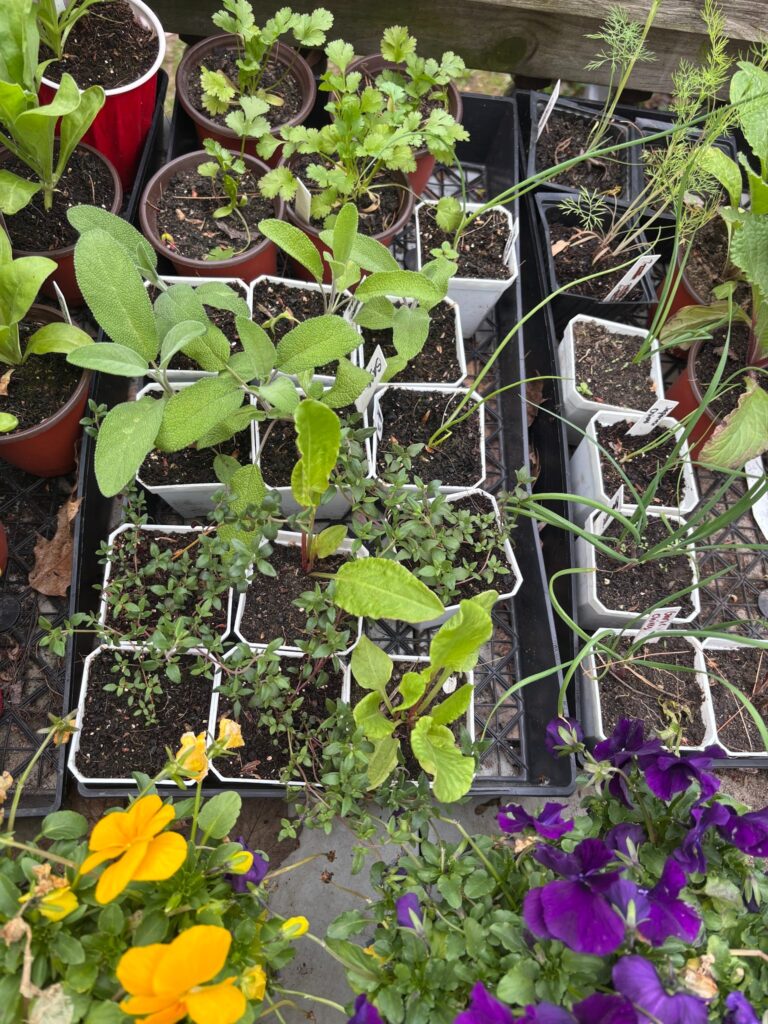
I really mean this.
Many new gardeners feel pressure to grow every vegetable, herb, and flower they see online. But gardens become far more enjoyable when you focus on things you actually love to eat, use, or care about.
Some of the best beginner crops for Southern NH gardeners are:
- Lettuce
- Kale
- Herbs
- Peas
- Calendula
- Nasturtiums
- Green beans
Simple gardens are still beautiful and productive gardens.
Frost Risk Is Still Real Here
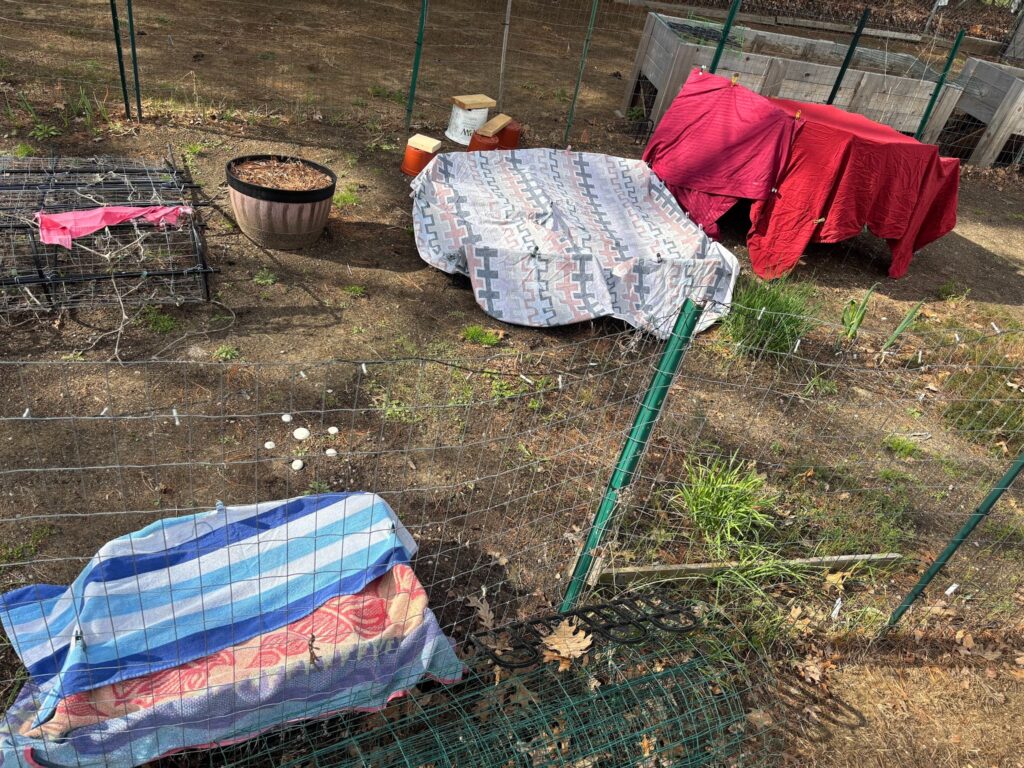
May in New Hampshire can be unpredictable.
Even when daytime temperatures feel amazing, nighttime temperatures can still dip low enough to damage sensitive plants. I always encourage gardeners to keep an eye on overnight lows before planting warm-weather crops outdoors permanently.
Our growing season is shorter than many parts of the country — and that’s okay.
Gardening successfully here is less about rushing and more about learning timing.
Gardening Is Supposed to Be Learned
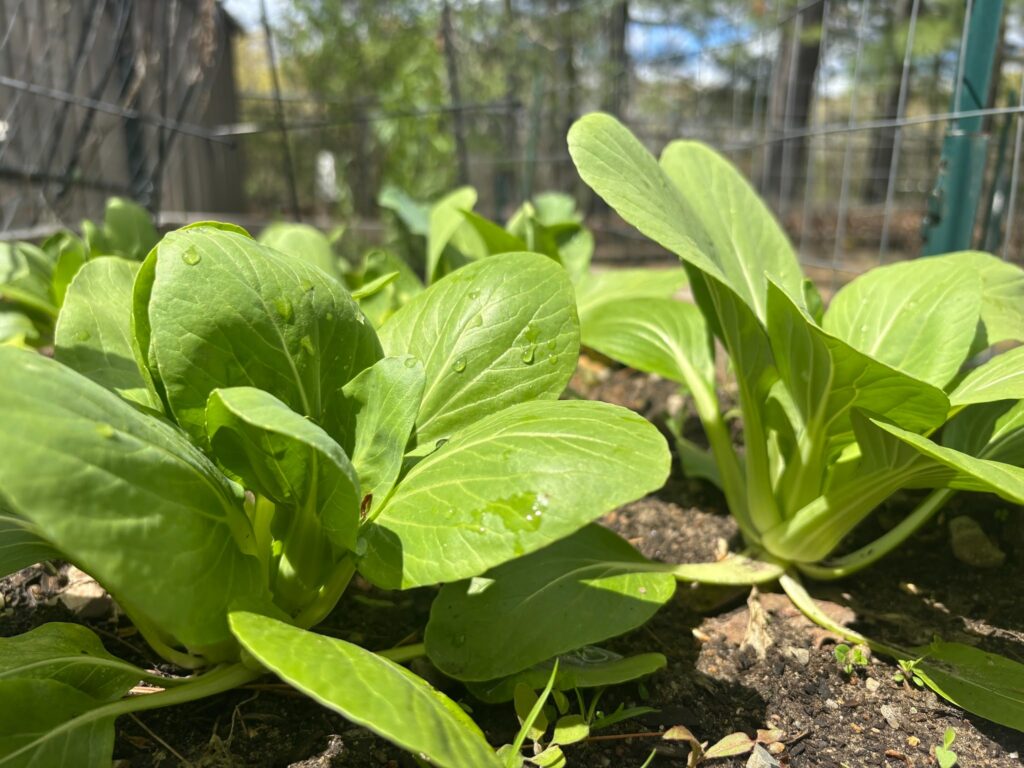
I think this is the most important one.
Every gardener kills plants sometimes. Every gardener experiments. Every gardener has years when something fails unexpectedly.
That doesn’t mean you’re bad at gardening.
A successful garden isn’t about perfection — it’s about paying attention, learning your space, and growing confidence over time.
And honestly? Some of the best lessons come from mistakes.
Final Thoughts
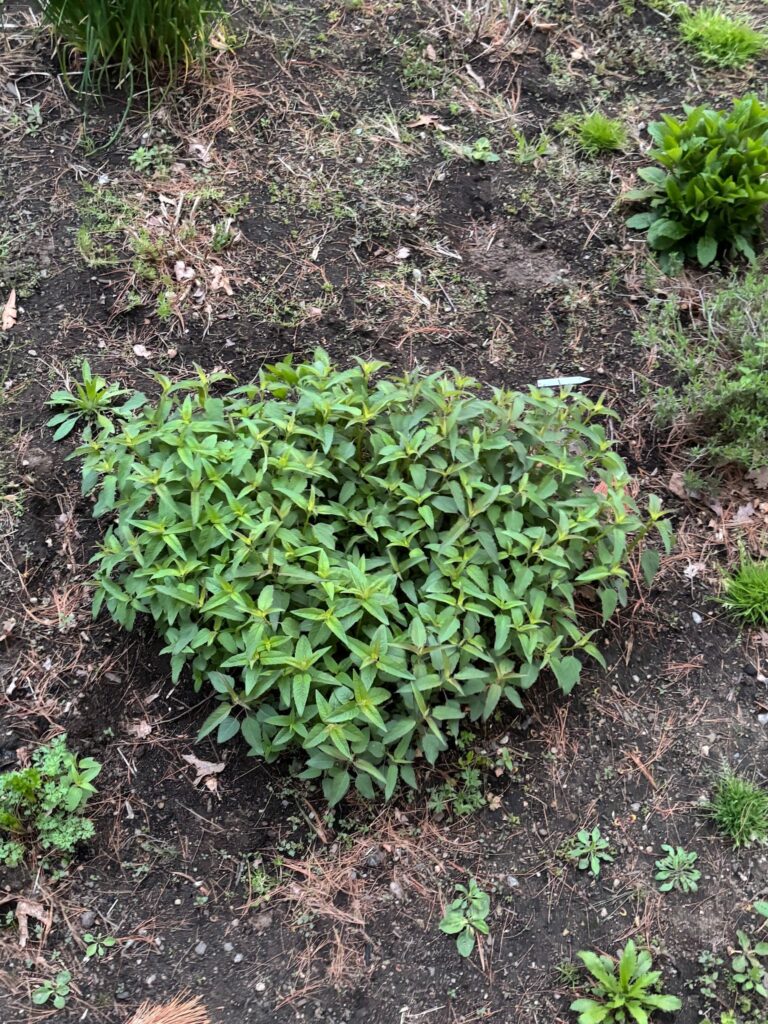
Right now, gardens across Southern New Hampshire are waking up fast. Seedlings are getting planted, herbs are coming back, pollinators are returning, and everything suddenly feels alive again after winter.
If you’re feeling behind, overwhelmed, or unsure this May — you’re definitely not alone.
Take your time, enjoy the process, and remember that gardening is something we grow into season by season 💚
— Tiffany
REHL Herbs Garden Consulting
Hi Tiffany! This was a great read! Thanks for posting it.
I have a question: what do you feel is the overnight low temp at which the more cold sensitive plants (basil, tomato, summer squash etc.) should be covered at night?
–Kelly
Hi Kelly,
Sorry for the very late reply, I never saw your question! Honestly I wouldn’t cover unless you got down to a light frost so 34/32. Usually by the beginning of June we are past that danger of 30 degree nights.